
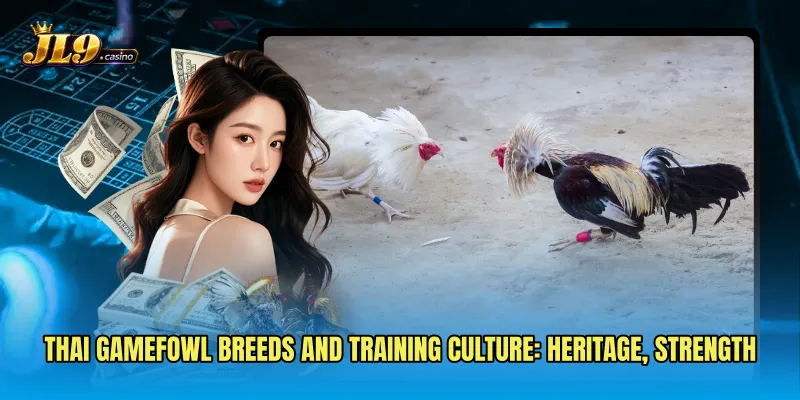
Thai gamefowl breeds JL9 represent a long-standing agricultural tradition that has shaped rural communities across Thailand for centuries. Known for athletic physiques, strong endurance, and distinctive bloodlines, these birds remain important within breeding programs, exhibitions, and cultural events. Modern enthusiasts study genetics, conditioning methods, nutrition plans, and lineage records to preserve valuable characteristics. Training culture surrounding Thai gamefowl combines practical husbandry knowledge with generations of local experience, creating a unique heritage that continues to attract attention throughout Southeast Asia.
Origins of Thai Gamefowl Heritage
Thai gamefowl history extends back several hundred years through rural provinces where poultry breeding formed part of agricultural life. Historical records suggest that selective breeding practices became increasingly sophisticated during regional kingdom periods. Breeders focused on stamina, physical structure, agility, and adaptability to tropical conditions. Several regions developed distinct bloodlines adapted to local climates. These bloodlines often carried unique physical traits that distinguished them from imported varieties. Over time, breeders documented family lines to maintain consistency across generations. The preservation of these birds reflects cultural values related to discipline, observation, and animal husbandry. Many rural families continue maintaining breeding programs that trace lineage through multiple generations.
Development Through Selective Breeding
Selective breeding remains central to maintaining quality bloodlines. Breeders evaluate physical characteristics, temperament, skeletal structure, and overall health before selecting breeding pairs.
| Breeding Factor | Purpose | Evaluation Period |
| Body Structure | Physical balance | 6–12 months |
| Leg Strength | Mobility support | 8–12 months |
| Feather Quality | Health indicator | Year-round |
| Genetic Consistency | Line preservation | Multiple generations |
| Endurance Traits | Physical capability | Adult stage |
Regional Influence on Bloodlines
Different provinces developed specialized breeding objectives based on local conditions.
| Region Type | Common Focus |
| Central Plains | Balanced physique |
| Northern Areas | Climate adaptability |
| Southern Regions | Heat tolerance |
| Eastern Provinces | Structural strength |
| Western Areas | Genetic preservation |
Characteristics of Major Thai Gamefowl Breeds
Several recognized varieties contribute to Thailand’s reputation for high-quality gamefowl breeding. Each bloodline displays specific traits valued by enthusiasts and breeders.
Pradu Hang Dam
Pradu Hang Dam ranks among the most recognized Thai gamefowl varieties. The name translates roughly to “black-tailed red,” reflecting its distinctive feather coloration.
| Feature | Typical Description |
| Feather Color | Red body, dark tail |
| Weight Range | 2.8–4.0 kg |
| Height | Medium to tall |
| Build | Athletic |
| Popularity | Very high |
Lueng Hang Khao
Lueng Hang Khao birds display yellow plumage combined with lighter tail feathers. Their appearance makes them popular within exhibitions and breeding collections.
| Feature | Typical Description |
| Feather Color | Yellow tones |
| Weight Range | 2.5–3.8 kg |
| Build | Lean |
| Adaptability | High |
| Breeding Demand | Strong |
Chee Breeds
Chee varieties are recognized through lighter feather patterns and elegant physical profiles. Many breeders appreciate these birds for visual appeal and genetic diversity.
| Feature | Typical Description |
| Appearance | Light-colored feathers |
| Height | Medium |
| Frame | Balanced |
| Temperament | Calm |
| Preservation Status | Widely maintained |
Training Culture and Daily Conditioning
Training culture emphasizes health, conditioning, and routine management rather than short-term results. Experienced caretakers often follow structured schedules designed around gradual physical development.
Daily Exercise Programs
Physical activity contributes to maintaining strength and mobility. Exercise routines vary according to age, season, and developmental stage.
| Activity | Duration |
| Morning Walk | 15–30 minutes |
| Open Movement | 30–60 minutes |
| Supervised Conditioning | 20–40 minutes |
| Rest Period | Several hours |
| Evening Observation | 10–15 minutes |
Nutrition Management
Balanced nutrition supports growth and long-term health. Traditional feeding programs frequently combine grains, natural ingredients, and supplemental nutrients.
| Nutritional Element | Function |
| Corn | Energy source |
| Rice | Digestible carbohydrates |
| Protein Sources | Muscle development |
| Greens | Vitamin intake |
| Minerals | Bone support |
Health Monitoring Practices
Many experienced breeders dedicate significant time to daily observation.
- Feather condition assessment
- Weight monitoring
- Mobility evaluation
- Hydration checks
- Behavioral observation
- Environmental inspection
Housing and Environmental Standards

Proper housing plays a major role in maintaining healthy birds. Modern facilities often combine traditional design principles with updated management techniques.
Space Requirements
Adequate space helps reduce stress while encouraging natural movement.
| Housing Element | Recommended Range |
| Individual Area | 2–4 square meters |
| Outdoor Access | 5–10 square meters |
| Roost Height | 40–80 cm |
| Ventilation Openings | Multiple sides |
| Shade Coverage | 30–50% |
Climate Considerations
Thailand’s tropical environment requires attention to temperature management.
| Environmental Factor | Preferred Condition |
| Temperature | 24–32°C |
| Humidity | 60–80% |
| Airflow | Continuous |
| Sun Exposure | Controlled |
| Rain Protection | Essential |
Sanitation Programs
Clean facilities support disease prevention.
- Daily water replacement
- Weekly enclosure cleaning
- Monthly deep sanitation
- Equipment disinfection
- Waste removal procedures
Genetic Preservation and Modern Breeding
Modern breeders increasingly use recordkeeping systems to preserve genetic quality. Detailed documentation helps prevent excessive inbreeding while supporting long-term sustainability.
Breeding Record Systems
| Record Category | Purpose |
| Parent Lineage | Family tracking |
| Hatch Dates | Age management |
| Physical Metrics | Growth evaluation |
| Health Records | Disease monitoring |
| Reproductive Results | Program assessment |
Technology in Contemporary Breeding
Advances in agricultural technology have influenced breeding practices.
| Technology | Application |
| Digital Databases | Lineage records |
| Weight Tracking Tools | Growth monitoring |
| Veterinary Diagnostics | Health analysis |
| Environmental Sensors | Climate management |
| Genetic Research | Bloodline study |
Future Preservation Goals
Current preservation efforts focus on maintaining biodiversity while protecting traditional knowledge. Breeding associations, agricultural researchers, and local communities increasingly cooperate to document valuable bloodlines. Educational programs encourage younger generations to learn responsible husbandry techniques. These initiatives help ensure that Thai gamefowl heritage remains available for future study and appreciation.
Cultural Significance Beyond Breeding

Thai gamefowl occupy a place within regional culture that extends beyond agriculture. Festivals, exhibitions, breeding fairs, and educational events showcase the diversity of local bloodlines. Many enthusiasts participate in conservation projects aimed at preserving historical varieties.
Rural communities often view breeding knowledge as a form of cultural inheritance passed between generations. Stories, techniques, and lineage information contribute to local identity while supporting agricultural traditions. Museums, academic institutions, and poultry organizations continue documenting these practices to preserve valuable historical information.
Conclusion
Thai gamefowl breeds represent a remarkable combination of genetics, husbandry expertise, and cultural heritage. Through careful breeding programs, structured conditioning routines, proper nutrition, and detailed recordkeeping, enthusiasts continue preserving bloodlines that have developed across many generations. As modern agricultural methods evolve, the commitment to maintaining these distinctive birds remains strong, ensuring that Phcrown traditions continue contributing to Southeast Asia’s rich rural heritage.





